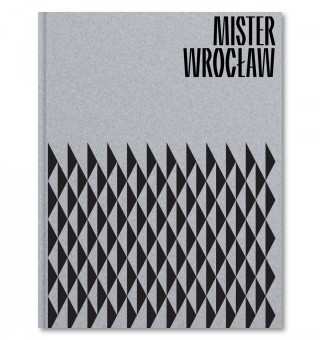
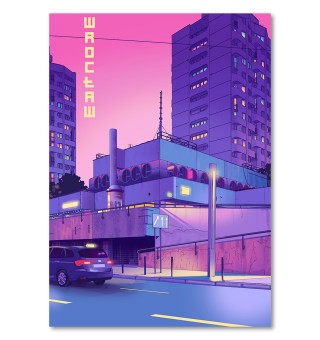
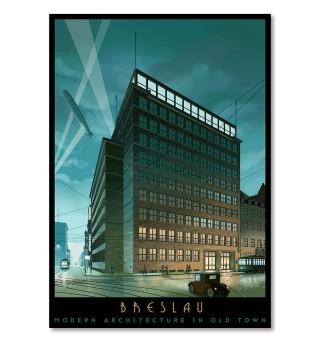
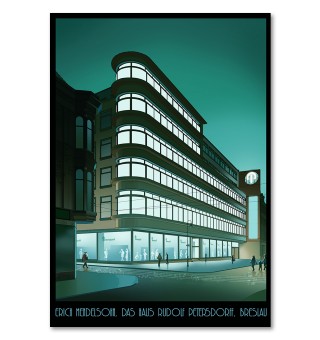
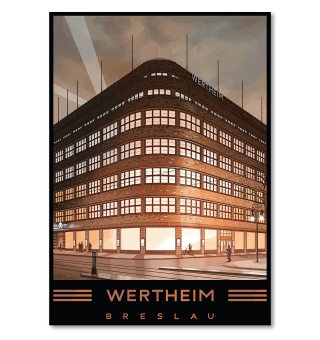
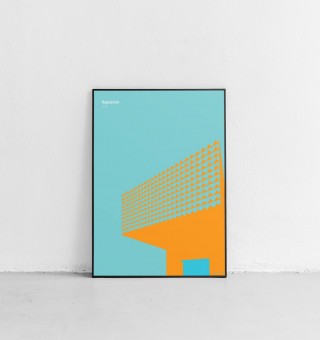
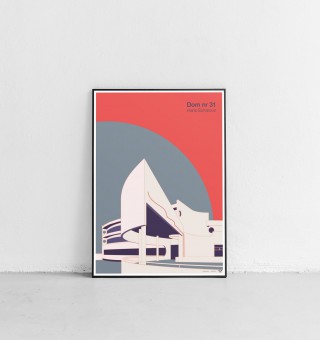
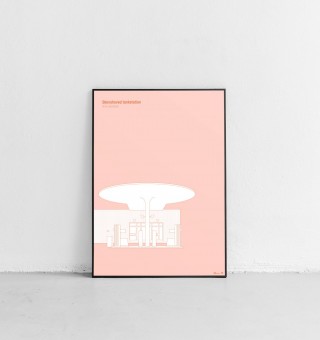
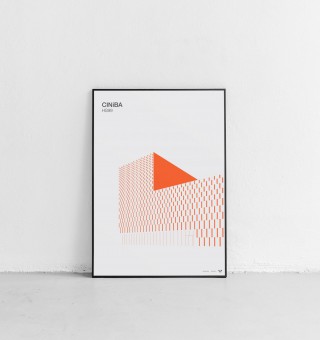
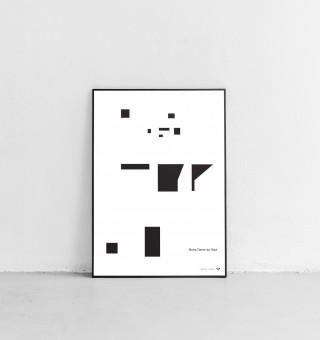
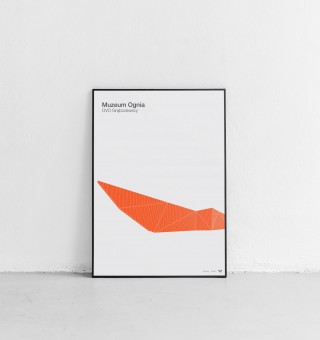
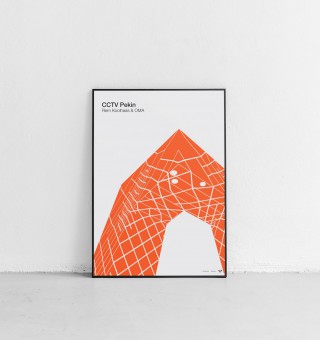
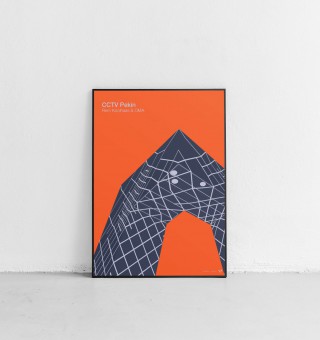
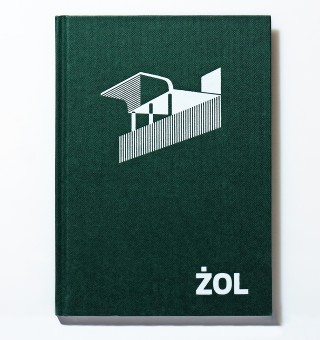
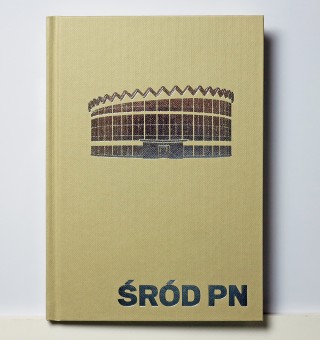
The forgotten plebiscite of the Polish People’s Republic returns in the form of a walking guide.
Does postwar modernist architecture still create a sense of distance, or are we beginning to view it with new appreciation? And what if residents could once again decide which buildings deserve to be called the most beautiful?
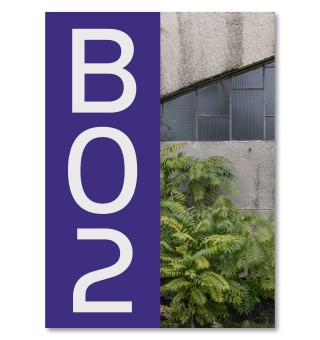
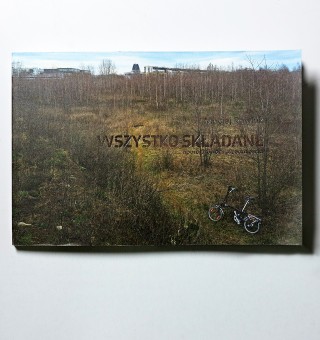
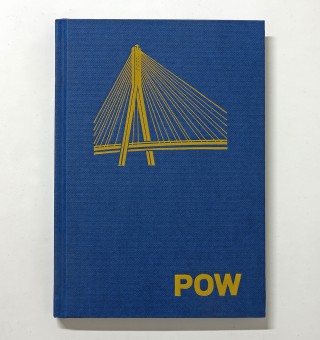
At the Fandom Foundation, we revisit these questions with the publication of “Mister Wrocław” - a walking guide inspired by a forgotten architectural plebiscite held between 1961 and 1978.
“Mister Wrocławia” was a competition organized by the Society of Friends of Wrocław and the editorial team of Słowo Polskie. Each year, residents selected the best building - in their opinion - completed during a given period. Voting took place באמצעות coupons printed in the newspaper, and participants were entered into prize draws ranging from radio sets to coffee services.
Although the plebiscite had a light, at times playful character, it also reflected the real influence of residents on the symbolic shaping of the city’s space. During a time of intensive reconstruction and dynamic development in Wrocław, it was the voices of its inhabitants that determined which architectural projects were considered the most successful.
Today, as discussions about the quality of new developments and the aesthetics of public space become increasingly frequent, the history of this plebiscite resonates with surprising relevance.
The book “Mister Wrocław” guides readers along four walking routes, following buildings that once took part in the competition. It tells the story of postwar Wrocław - a city of bold urban visions, experimentation, and design courage.
The guide encourages readers to take a fresh look at modernist architecture—not as a relic of a bygone era, but as a testament to the ambitions and dreams of a modern city. It proposes a shift in perspective: instead of viewing postwar developments through the lens of stereotypes, to see in them a coherent urban vision and design boldness.
The publication also raises the question of the contemporary role of residents in shaping the city. In the 1960s and 70s, their voice - though symbolic - was genuinely present in debates about the aesthetics of Wrocław. Today, in an era of public consultations and disputes over new investments, this issue takes on new meaning.
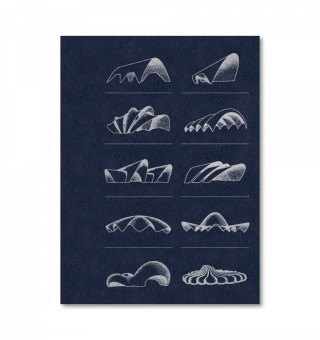
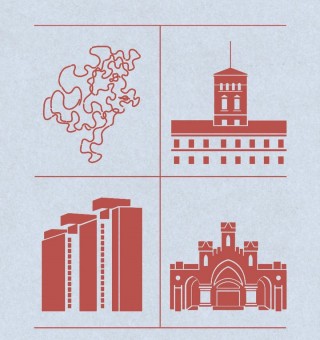
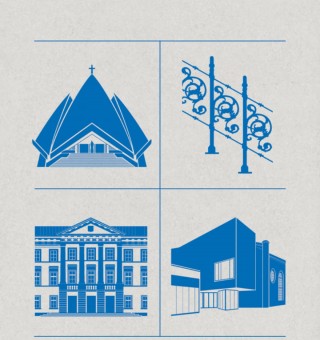
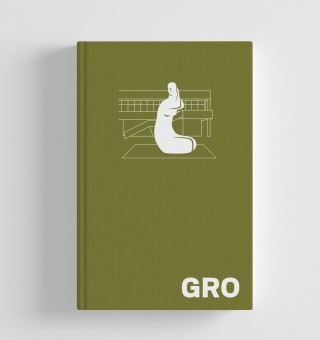
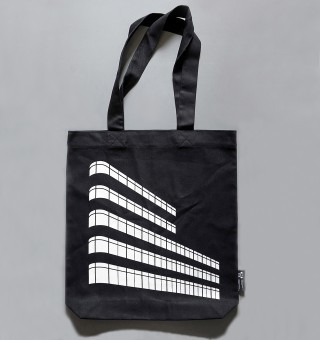
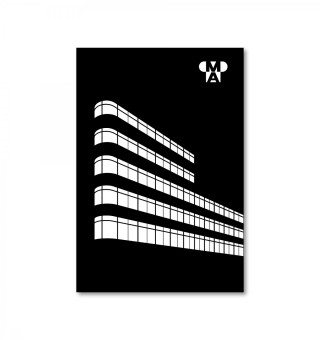
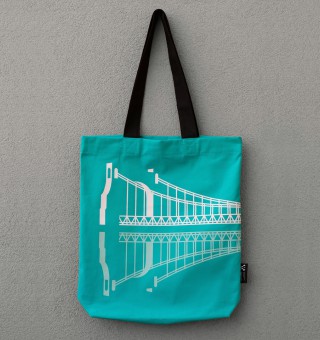
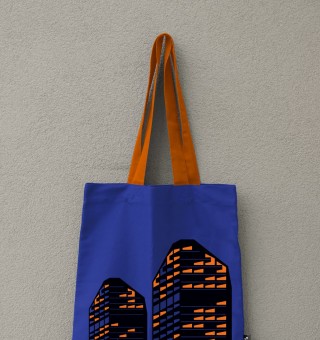
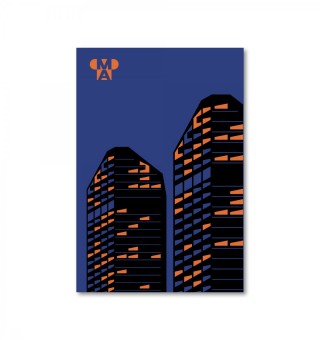
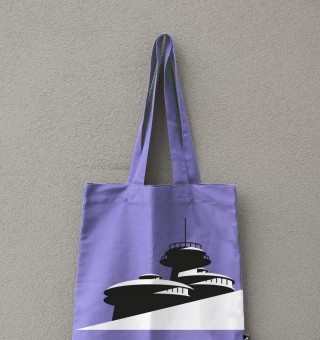
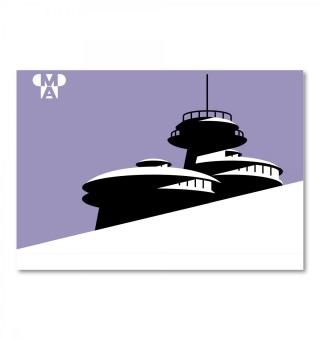
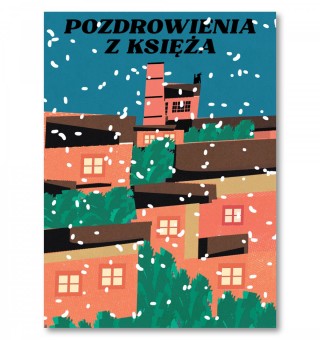
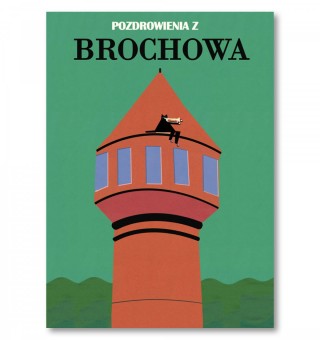
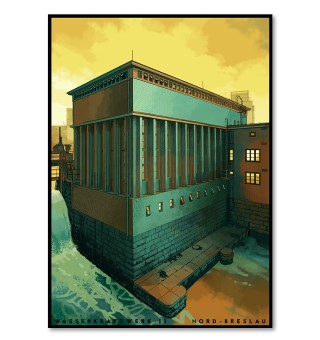
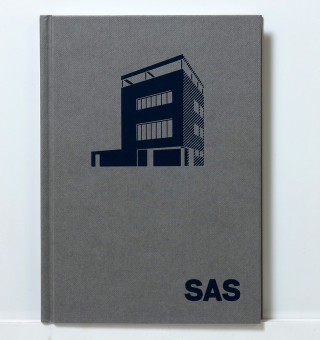
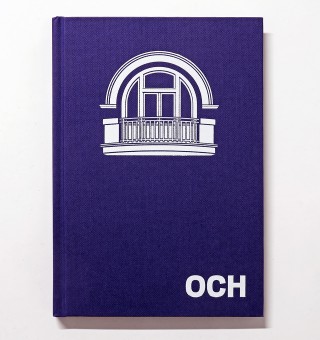
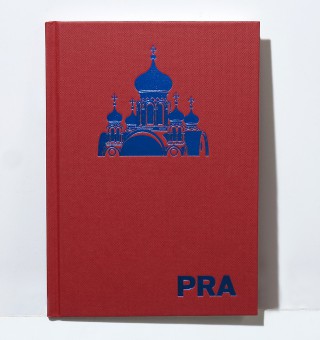
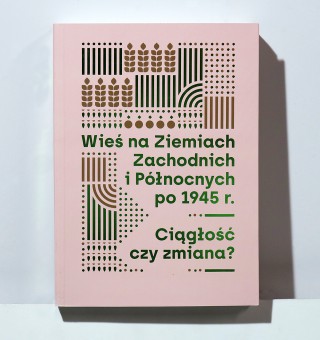
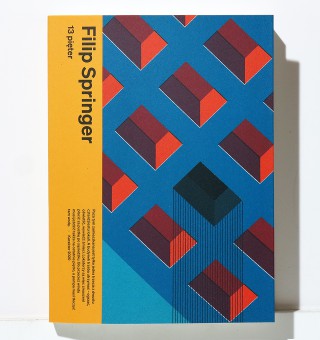
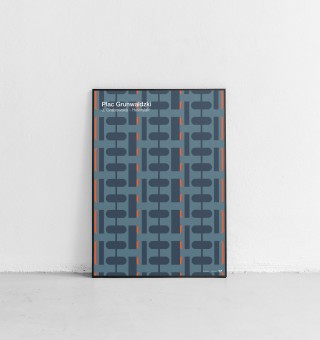
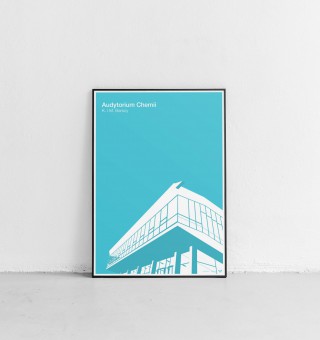
The texts are authored by Iwona Kałuża, Alicja and Maurycy Prodeus, and Paweł Starzec. The book is enriched with minimalist illustrations by Kasia Szybka, while the graphic design was created by Dawid Błaszczyk.