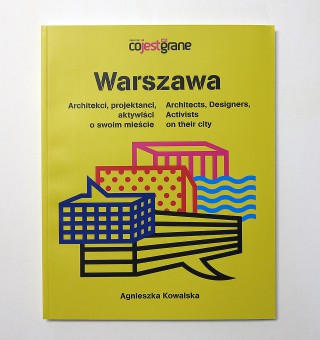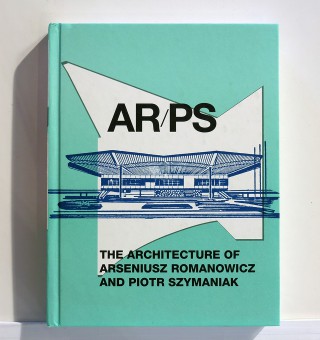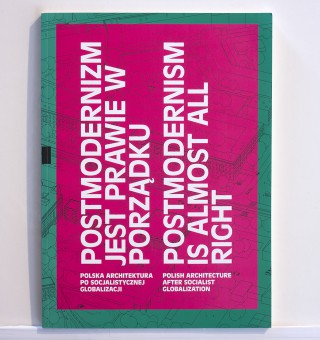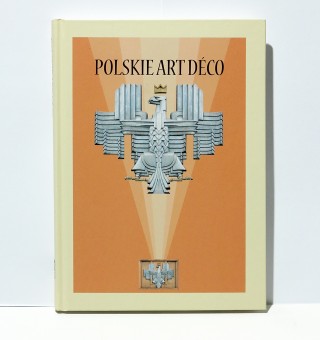
The book in Polish only
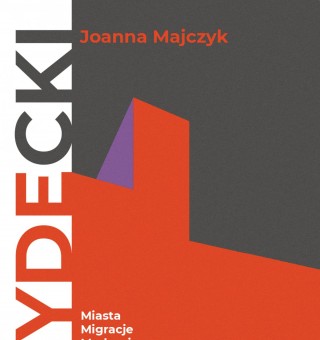
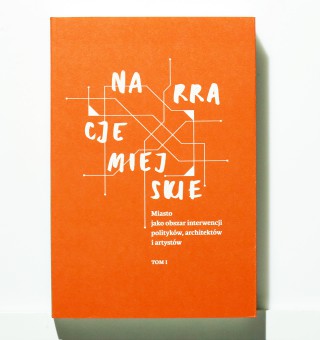
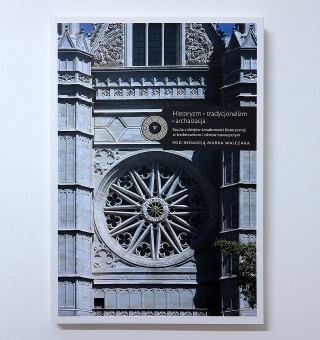
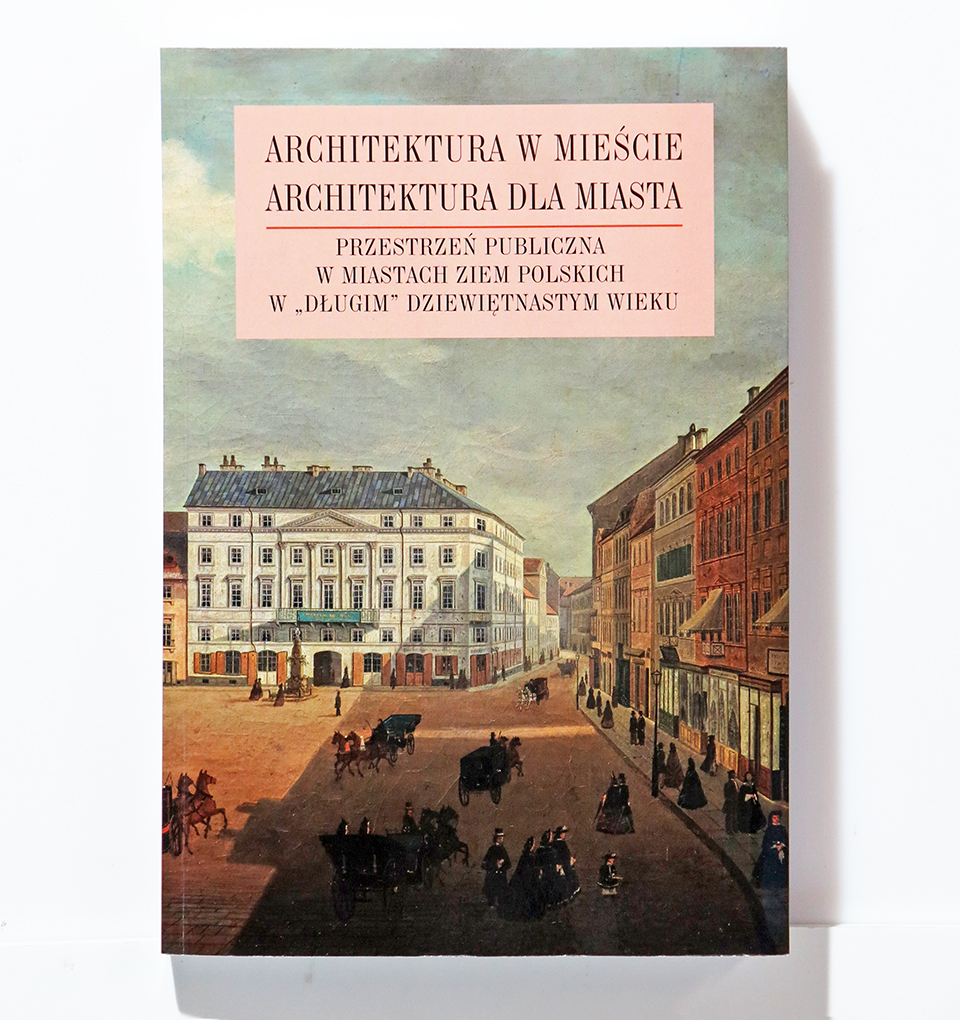
Public space is a physical, tangible area that can usually be quite precisely defined. At the same time, it is also a mental construct equipped with numerous attributes connoting ideas from the fields of law, politics or aesthetics, among others. The scientific exploration of urban public space is one of the keys to understanding this infinitely complex physical, social and mental system that is the city. In this volume, the second in the series Architecture in the city, architecture for the city, we publish texts by representatives of two different humanities: historians and art historians. It is a common reflection on the role, meaning and functioning of public space in terms of scientists who, using slightly different categories, speak to us in a common language. These texts present different interpretations of public space in the cities of the former Polish-Lithuanian Commonwealth during the partition. These studies are complemented by articles on nineteenth-century cities from neighbouring countries: the Habsburg monarchy, Russia and Prussia, which gives a wide range of comparative material and opens new research horizons.